

SPOQCS; A Modern Defensive Sport with Roots in Iran's History
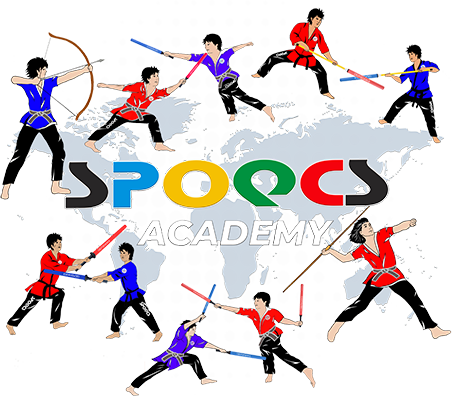
SPOQCS as combat sport for all, is a safe, dynamic, and innovative martial-defensive sport founded by Grand Master Mohammadreza Hashempour Pashaki. This sport is an intelligent fusion of ancient Iranian martial history and a modern approach to defensive sports. Inspired by Iran’s rich martial heritage, particularly ancient swordsmanship and traditional stick games, SPOQCS is presented in a scientific, comprehensible, and inclusive framework.The four fundamental principles of this sport, Speed, Agility, Intelligence, and Strength are encapsulated in the name SPOQCS (an acronym for Sport, Quicker, Clever, Stronger).
SPOQCS, A Sport for All
SPOQCS is designed to be accessible to everyone, regardless of age, gender, or fitness level. In addition to enhancing physical fitness, flexibility, balance, and focus, this sport plays a significant role in promoting physical and mental well-being as a safe and enjoyable defensive sport.
Structure of SPOQCS
SPOQCS consists of three main components:
o Safe Combat with Foam Weapons: The use of foam weapons such as short swords (Akinake) and Long sword (Sousar) spears (Zubin), inspired by ancient Iranian weapons.
o Stick Fighting (with short and long sticks): Technical and display movements using foam sticks to showcase skill, creativity, and precision.
o Form Execution (with or without weapons): A combination of harmonious movements that display individual skill, body control, and aesthetic movement.
Training Anywhere
SPOQCS can be practiced in gyms, schools, offices, parks, and all types of open or closed spaces. Not only is it perfect for recreational and fitness purposes, but enthusiasts can also participate in the SPOQCS Championship Competitions at national, continental, and international levels.
Almost all of us have had the experience of playing with swords or sticks during childhood. In fact, SPOQCS recreates that childhood nostalgia, but in the form of a modern, scientific, and goal-oriented sport.

While Iran has only existed in a recognizable form since the beginning of the 16th century, the area has a longer history of civilization than almost anywhere in the world. The Bronze Age Elamite civilization was one of the first to develop cuneiform writing in the 3rd millennium BCE, and Proto-Iranian groups were already arriving in the area in the 2nd millennium BCE. The Achaemenid Empire, which existed from 550—330 BCE, was the biggest empire in ancient history.
According to research and information obtained from archeology and history, martial arts in Iran have a very long history, images painted on fossils and ancient artifacts dating back more than thousands of years belonging to Iran indicate that at that time, martial arts were seriously and completely interested in Iranians and Iranian warriors and soldiers were fully acquainted with all martial arts and the use of weapons of war, and this is always the most important factor in the victory of Iranian troops in war has been with his enemies.
The vast country of Iran with the upbringing of unique heroes such as Nariman, Sam Zal, Rostam, Esfandiar, Arash Kamangir, the customs and traditions of their people such as the art of stick gaming and sword and dagger dance and the existence of more than 10 traditional wrestling including Chokkhe, Gile Mardi, Turkmen wrestling, Iliyati, ancient and heroic wrestling, Ashirma and Garesh, Zoran Patouleh and Lucho wrestling and the art of axing of northern men can all express the ancient martial art of Iran.


